
Responsible hazardous waste management, safe chemical storage, and reducing environmental impact have always been vital for workplace safety, but tightening 2026 regulations are increasing the focus on environmentally-responsible chemical storage systems.
At first glance, this may feel like an extra burden. In reality, however, sustainable chemical storage solutions can enhance workplace safety, improve site management, support compliance with hazardous material regulations, and help in reducing environmental impact by preventing leaks and contamination.
At Safety Storage Systems UK, we understand the importance of sustainable, safe chemical storage and the challenges of meeting evolving compliance standards. In the following sections, we take a closer look at the latest compliance requirements, and the best practices you can implement to protect your operations, employees, and the environment.
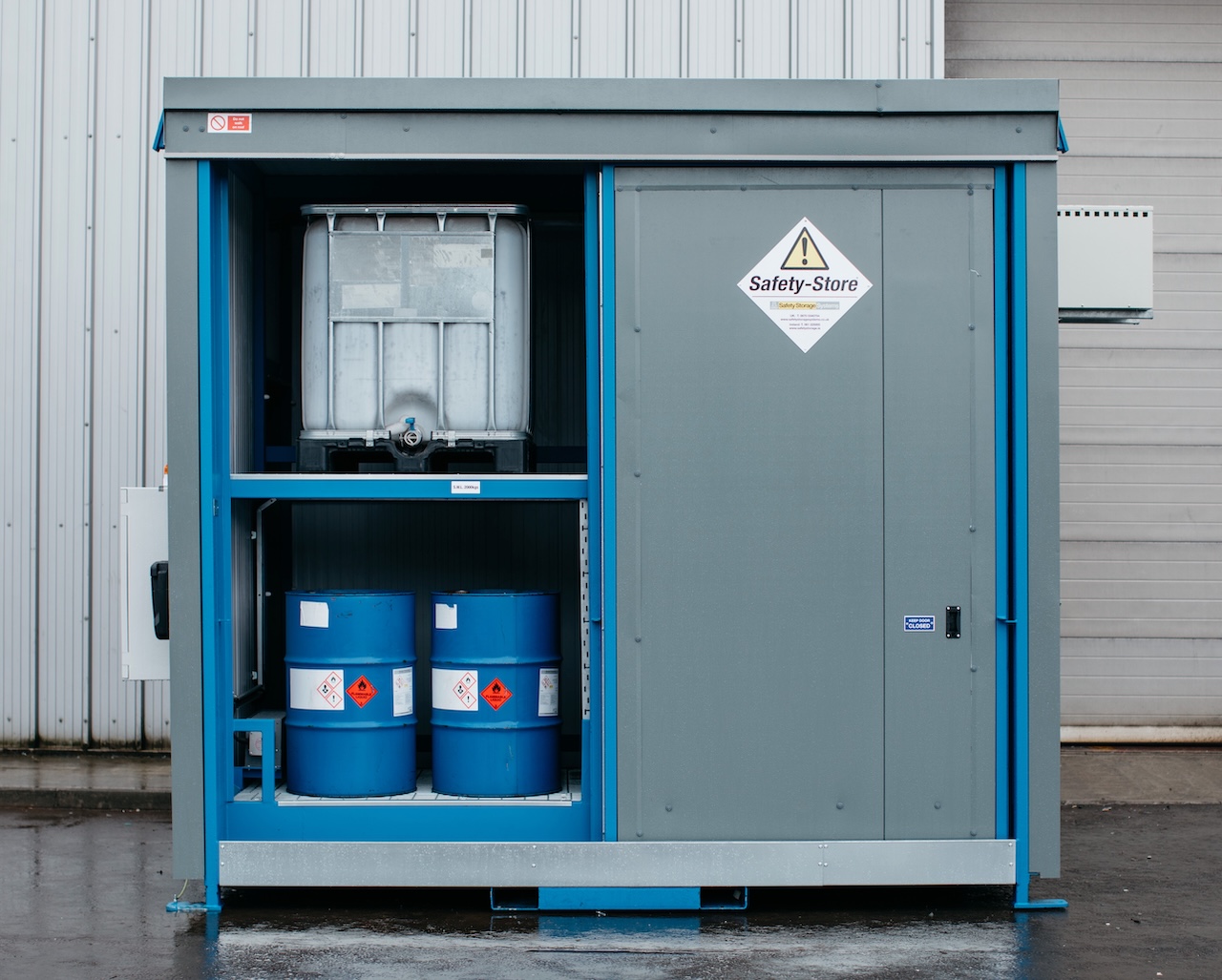
Why Sustainable & Safe Chemical Storage Matters
From chemical emissions to hazardous waste, the chemical sector remains a major source of environmental risk in 2026, particularly as leaks and spills can cause severe and long-lasting environmental damage.
Pollution occurs when harmful substances are released into water, land, or air, affecting drinking water supplies, wildlife, and natural habitats. Worryingly, contamination can persist for years, particularly with PFAS chemicals, often referred to as “forever chemicals” because of their resistance to breaking down in the environment.
As the focus on reducing environmental impact comes to the fore, regulatory bodies are increasing scrutiny around chemical storage practices to reduce the risk of leaks, accidents, and pollution incidents. For example:
- PFAS Restrictions: Following the UK’s first-ever PFAS action plan announced in early 2026, regulators are expanding monitoring and reporting requirements for these substances.
- UK REACH & Chemical Safety: Although some deadlines have been extended, the UK is introducing stricter chemical registration requirements between 2026 and 2028, requiring businesses to submit more comprehensive hazard and exposure data.
In response to these evolving regulations, many companies are investing in improved spill prevention measures and stronger emissions control practices to help in reducing environmental impact and risk.
What are the Most Common Causes of Environmental Risk?
While no company sets out to cause pollution, certain common issues can increase the risk of environmental harm.
Lack of Containment: Storing liquids without bunding or trays means leaks can flow directly into drains or soil, contaminating groundwater.
Poor Maintenance: Failure to spot container damage, or to maintain inventory in terms of shelf-life, storage conditions and compatibility can result in spills or fires.
Incorrect Segregation: Holding reactive, flammable, or corrosive chemicals together can cause violent reactions, fires, and toxic releases.
Inefficient Handling: Some transfer or decanting activities require a separate dedicated area with local exhaust and a specific spill containment system.
In many cases, issues relating to chemical storage and handling develop gradually. Perhaps equipment failures go unnoticed leading to minor leaks over time or incremental inventory changes lead to inadequate storage practices. Whatever the cause, potential environmental risks are often exacerbated by a lack of regular inspection, which means issues go undetected for far too long.
Reducing Environmental Impact with Storage Design
To ensure environmental risks are kept to an absolute minimum at your facility, it is important to carefully consider how your chemicals are stored, handled, and received.
You must comply with the Control of Substances Hazardous to Health (COSHH) Regulations to protect your employees. This provides guidelines for chemical risk assessment as well as how to implement controls to prevent exposure to chemicals, fumes, dust, and biological agents.
It is also good practice to carefully consider the location of your storage area to ensure you are reducing environmental impact. You can do this by ensuring storage for hazardous materials is located away from the boundary fence; away from heavy plant equipment and moving vehicles; and above the height of potential floodwaters.
You should also follow HSE guidance on the safe use and handling of chemicals, which advises how to protect against accidental spillages. Best practice measures include:
Spill Containment: Use bunded pallets and storage units to hold 110% of the largest container’s volume or 25% of total volume. You may also want to install drain covers to prevent spills from reaching water systems.
Durable Storage: Select storage cabinets manufactured from durable, corrosion-resistant materials or specialised composites to minimise degradation from harsh chemicals and extend equipment lifespan.
Efficient Layout: Design storage to reduce the movement of goods and minimise the risk of damage or spills during transport. Clearly marked areas for receiving, storing, and dispensing also eliminate bottlenecks and reduce accidents.
Balancing Safety, Compliance and Sustainability
In most cases, implementing sustainable and safe chemical storage solutions not only helps to prevent environmental damage, but also to improve on-site safety. Responsible chemical storage management directly meets key legal obligations, particularly around COSHH compliance, which requires strict control over hazardous substances to prevent harm.
More than that, however, investing in compliant, environmentally responsible chemical storage can also provide significant economic advantages.
First and foremost, preventing spills and leaks eliminates the complex – and often costly – process of cleaning up contaminated sites. In some cases, environmental accidents can result in extensive fines, making compliance essential for protecting your business from legal and reputational damage.
Secondly, proper storage prevents chemicals from degrading. This reduces waste and eliminates the need for frequent reordering by ensuring that chemicals are kept at a stable temperature.
When working with a medical dressings manufacturer, for example, Safety Storage Systems UK was able to produce a temperature-controlled store to keep medical gel at 30°C, ready for production. This insulated, bunded store not only signals if the temperature goes outside parameters, but also features fan extraction to remove hazardous vapours in the event of spillage.
The resulting solution protects employees and prevents environmental contamination, as well as improving the product lifespan, a measure that contributes to more sustainable operations year after year.
Best Practice Storage Behaviours
Alongside storage design there are various operational best practices that will help in reducing environmental impact and improving overall site safety:
Regular Inspections and Maintenance: Conduct routine inspections of storage areas and containers to identify leaks, corrosion, or damage before they become serious issues.
Inventory Management: Maintain accurate chemical inventories to reduce excess storage, prevent expired materials from accumulating, and ensure substances are stored safely. Effective inventory control also supports compliance reporting and risk management.
Staff Training: Provide employees with regular training on chemical handling, storage procedures, emergency response, and environmental safety protocols.
Spill Prevention and Response: Implement spill containment measures and ensure clear emergency response procedures are in place. Rapid response to leaks or spills can significantly reduce environmental damage, protect employees, and minimise operational disruption.
How Storage Systems Support Long-Term Sustainability
As outlined above, best-practice measures demonstrate how chemical storage plays a vital role in both long-term operational safety and the achievement of sustainability goals. Rather than being separate challenges, the two are closely interconnected.
As a result, a well-designed and safe storage unit can simultaneously help your business to prevent environmental incidents, maintain compliance with increasingly strict regulations, and support safer, more efficient operations.
At Safety Storage Systems UK, we understand the need for chemical storage infrastructure that supports your sustainability strategy and underpins safety and compliance at your facility. Our durable, bunded cabinets are designed to protect both employees and surrounding ecosystems from hazardous substances.
Speak to Our Storage Experts
If you would like advice on how chemical storage infrastructure can help you achieve your sustainability and safety goals simultaneously, get in touch with our team for expert guidance on compliant, environmentally responsible storage solutions.